 By admin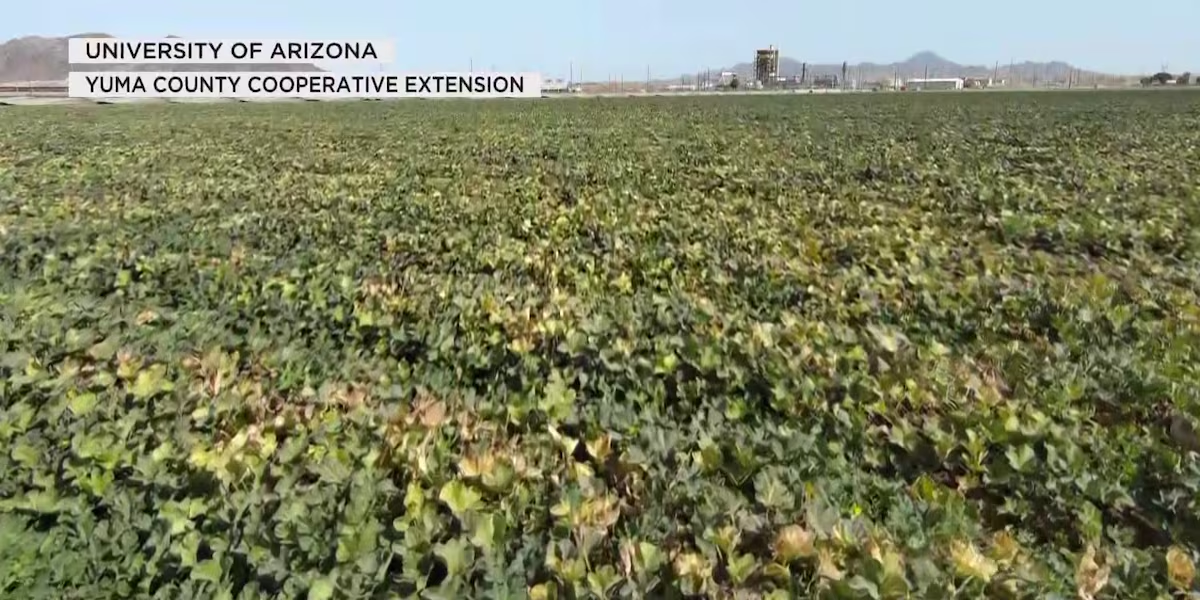
YUMA, AZ (AZFamily) — An unusually warm winter in the Desert Southwest may be to blame for an early virus outbreak now showing up in Yuma-area melon fields, according to University of Arizona experts.
Read more Driver caught with machine guns in Marana
Plant pathologist Christopher Detranaltes with the University of Arizona Yuma County Cooperative Extension said mild temperatures helped insects survive in larger numbers than usual, including whiteflies, which can spread multiple plant viruses.
“Primarily,, what we are concerned with in the agricultural space is those viruses that are transmitted by white flies at least here in the desert southwest,” Detranaltes said.
Typically, a cold winter knocks back insect populations that carry plant diseases. But this year’s warmer conditions created what experts describe as a near-ideal environment for pests, increasing the risk of virus transmission earlier in the growing season.
Detranaltes said once melon plants contract these viruses, symptoms don’t show up right away.
“The melons, once they contract these viruses, will stay dormant for about a couple of weeks, during which you won’t see any symptoms,” he said.
In early April, scientists tested dozens of melon plants growing in fields across the Yuma area. Detranaltes said researchers are currently focused on three viruses, all of which could significantly damage crops — especially if infection happens early.
Read more US military conducts another strike against Iran after Trump says Iran is ‘negotiating on fumes’
“The real damage from these viruses comes when they infect very early and start destroying the chlorella very early because those plants are going to struggle to put on sugar,” he said.
That can mean lower-quality fruit and visible damage across fields: melons can turn bitter, leaves can become crinkly and dry, and plants may yellow and grow brittle.
“Plants should be green but they are going to turn yellow and they get very brittle — if the wind comes through sometimes they start to develop dead patches on them — dry up and very papery,” Detranaltes said.
Arizona supplies about 20% of the nation’s cantaloupes, and growers in the Yuma region also produce watermelons and honeydew melons. Experts are scheduled to meet June 2 to discuss next steps and strategies to address the outbreak, Detranaltes said.
See a spelling or grammatical error in our story? Please click here to report it.
Do you have a photo or video of a breaking news story? Send it to us here with a brief description.
Read more Teen accused of assault, kidnapping, sexual assault in Vail