 By admin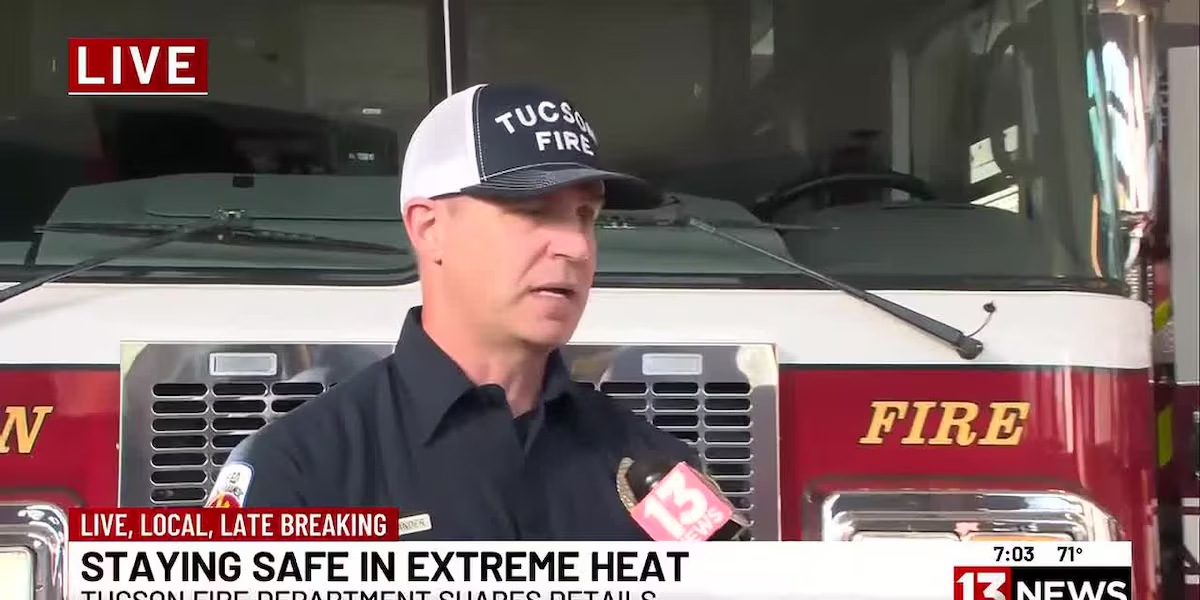
TUCSON, Ariz. (13 News) – Summer heat is here, and public health officials are urging everyone—especially those working or spending time outdoors—to take the risk seriously.
Read more Daveigh Chase, actress who voiced Lilo in ‘Lilo & Stitch’ and starred in ‘The Ring,’ dead at 35
Last year, Pima County recorded 117 heat-related deaths, and five heat-related deaths have been reported so far this year.
And the danger isn’t limited to a few days of extreme heat: heat can continue impacting people well beyond the summer months and into October.
According to Pima County, nearly 2,000 people visit Arizona emergency rooms because of heat-related illnesses.
Heat illness can escalate quickly
Heat-related illnesses happen when your body temperature climbs too high and your body can’t cool itself down.
It can start with symptoms that may seem minor—like muscle cramps, a headache, or a fast pulse—but it can become life-threatening in minutes.
Read more WNBA expanding to 50-game regular season starting in 2027
Heat stroke (life-threatening)
Watch for:
- Body temperature 103°F or higher
- Hot, dry skin (or skin that’s hot and damp)
- Fast, strong pulse
- Headache, dizziness, nausea
- Confusion
- Passing out / losing consciousness
Heat exhaustion
Watch for:
- Heavy sweating
- Cold, pale, clammy skin
- Fast, weak pulse
- Nausea or vomiting
- Muscle cramps
- Tiredness/weakness
- Dizziness, headache, fainting
What to do if someone shows symptoms
If you or someone you’re with is showing symptoms:
- Move to a cooler place (shade or indoors)
- Loosen clothing
- Drink water
- Cool the person with wet towels/damp cloths, a cool shower, misting fan, or ice packs
In more serious cases—especially if someone is vomiting, symptoms worsen, or symptoms last more than an hour—call 911.
How to prevent heat illness
If you can, stay indoors during the hottest part of the day and avoid strenuous outdoor activity.
If you must be outside:
- Wear loose, lightweight, light-colored clothing
- Use a hat or umbrella for shade
- Wear sunscreen and reapply
- Take breaks in air conditioning (even a few hours can reduce risk)
And always remember, never leave adults, children, or pets in a parked car.
Who is most at risk?
Some factors can increase your risk for heat illness, including:
- Not drinking enough water
- Obesity
- Poor circulation
- Sunburn
- Alcohol use
- Having a fever
Cooling resources and checking on neighbors
Staying safe also means making sure you can cool down at home. If you don’t have reliable A/C, identify places nearby where you can cool off—like libraries or cooling centers.
Also check on neighbors—especially older adults—during periods of extreme heat.
=====================================================
Are you streaming 13 News?
Watch a free live stream of Tucson Now and 13 News at TucsonNow.Live.
Be sure to download the free Tucson Now app which you can find on Apple and Google.
If you are using a desktop computer, you can use your mobile device to scan the QR code below.
Read more Jersey Mike’s now No. 1 in customer satisfaction, pushing Chick-fil-A out of top spot, study shows
You can submit your breaking news or weather images here.