 By admin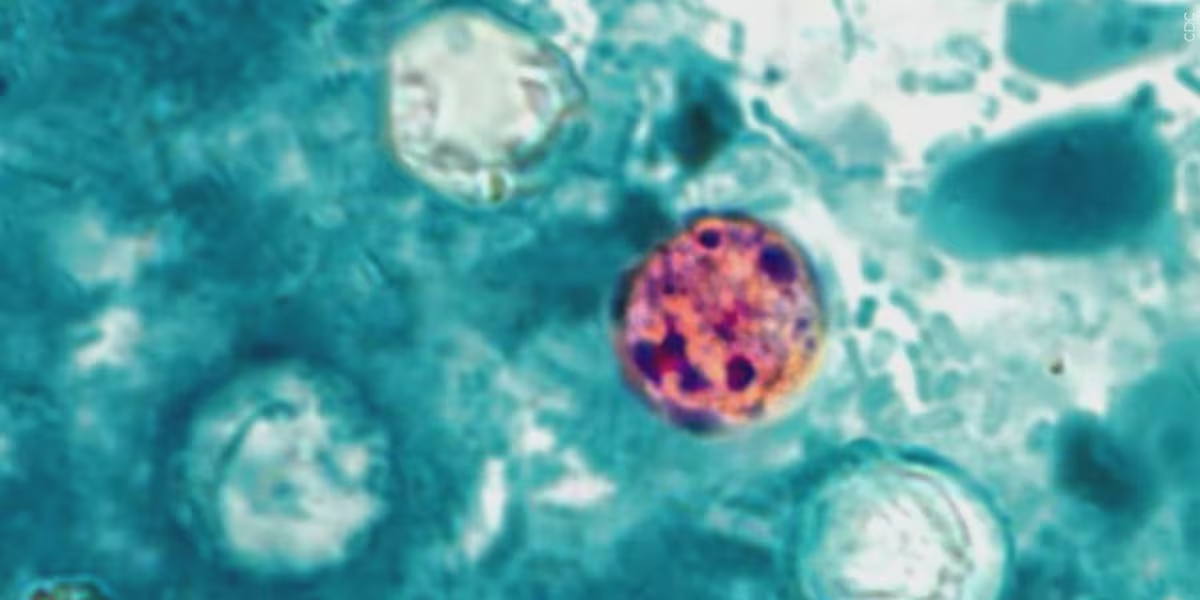
CLEVELAND, Ohio (WOIO/Gray News) – Health officials are warning people to take precautions as a cyclospora outbreak continues to spread in several states.
Read more Police question 3 people in north Phoenix crash, fatal shooting
According to the Centers for Disease Control and Prevention, as of July 9, there have been 843 reported cases across 31 states. Michigan and New York have the most reported cases, followed by Illinois, Kentucky, New Jersey, North Carolina and Texas.
86 of the cases have required hospitalization. No deaths have been reported.
What is cyclospora?
Cyclospora is a microscopic parasite — Cyclospora cayetanensis — spread through contaminated produce. Symptoms include watery diarrhea, cramping, bloating and loss of appetite. The illness is not typically life-threatening, but it can cause dehydration and require emergency medical care.
Lorain County Public Health epidemiology supervisor Mitch Dandurand said the illness can linger.
“The duration of the illness will vary from person to person,” he said. “Some people can have symptoms for weeks to months, others can recover without symptoms.”
Ohio Department of Health Director Bruce Vanderhoff said the illness should be taken seriously despite the absence of deaths.
“Fortunately, there have been no deaths in Ohio, as is consistent with our past experiences with this illness. Nevertheless, this is a serious illness that can cause dehydration and require people to seek emergency medical care, and it should be taken seriously,” he said.
Read more No charges for Surprise officer in chase that led to suspect killed by car
Source still under investigation
No common source has been identified. Investigators are still searching for the origin of the outbreak, but Dandurand said the volume of cases is helping narrow it down.
“Just the sheer number of cases both locally and statewide indicates it’s a commonly consumed produce item such as lettuce,” he said.
The Ohio Department of Health is working with state and federal partners to continue the investigation.
Treatment and prevention
Cyclosporiasis can be treated with antibiotics. Dandurand said treatment typically involves “a seven- to 10-day course of antibiotics.” Rest and fluids are also important to recovery.
If symptoms do not resolve, they may return one or more times without treatment.
Health officials said the following steps can reduce the risk of infection:
- Wash hands with soap and water before and after preparing raw fruits and vegetables.
- Wash fruits and vegetables thoroughly under running water.
- Scrub firm produce, such as melons, with a clean produce brush.
- Eat or refrigerate cut, peeled or cooked fruits and vegetables promptly.
Anyone experiencing watery diarrhea or cramping after eating fresh produce should contact their health care provider.
Read more Trump administration rolls back gun regulations, raising questions about ATF oversight