 By admin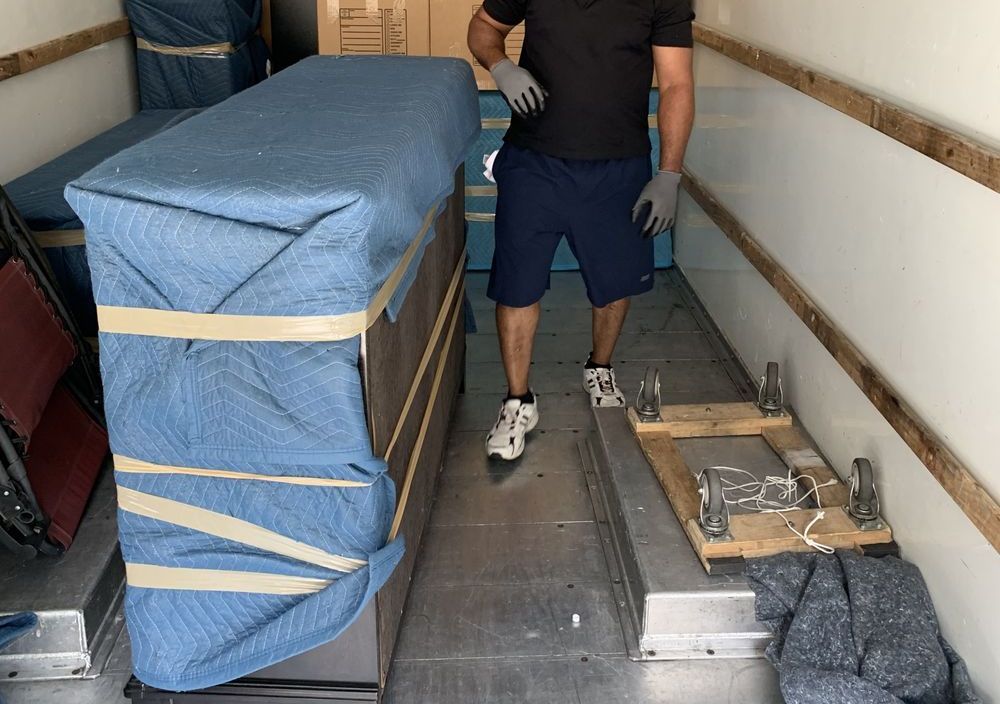
Some household belongings are difficult to move simply because they were never designed with transportation in mind. A massive sectional, oversized safe, commercial-style equipment, large outdoor structure, or exceptionally heavy piece of furniture can turn an otherwise ordinary relocation into a specialized logistics project.
The biggest mistake is treating oversized cargo like a larger version of a standard moving box. Its dimensions, weight, access requirements, and handling method can influence nearly every stage of transportation. Planning those details early makes the move far more predictable.
Start With Accurate Measurements
Before requesting professional assistance, determine exactly what needs to be transported.
Measure the item’s height, width, length, and, when possible, approximate weight. Photograph it from several angles and note removable components.
Price Movers specializes in large cargo relocations and describes its capabilities as including oversized items, industrial equipment, vehicles, bulk items, construction materials, and agricultural machinery.
For information about this service, visit https://pricemovers.com/services/moving-of-large-cargo.
Don’t Estimate Dimensions by Sight
A piece that appears to fit through a doorway may have protruding components that make the actual route impossible.
Measure the access points as carefully as the cargo itself. Compare the item’s dimensions with doors, hallways, staircases, gates, elevators, and other restricted areas.
Map the Journey Inside the Property
Oversized cargo transportation begins before the item reaches the vehicle.
Walk the route from its current location to the loading area. Identify narrow turns, low ceilings, stairs, uneven surfaces, and obstacles that could interfere with handling.
If necessary, temporarily remove doors, clear furniture, or arrange building access in advance. Do not wait until moving day to discover that a large item cannot pass through the most obvious exit.
Check the Destination Too
The same planning should happen at the other end of the move.
An oversized item may leave its original property without difficulty but encounter serious problems at the destination. Measure the entrance and the intended route to the final placement area.
Prepare the Final Location
Clear the destination before the cargo arrives. Remove boxes, furniture, equipment, and other obstacles.
If the item is going into a garage, workshop, basement, warehouse, or large recreation area, determine its final position beforehand. This prevents unnecessary repositioning after delivery.
Decide Whether Disassembly Is Practical
Some oversized belongings can be separated into smaller components. Others should remain intact.
Before taking anything apart, determine whether disassembly could affect the structure, alignment, warranty, or safe operation of the item.

A professional moving team can help determine whether a large item should be transported intact or prepared in sections.
For particularly heavy or unusual cargo, provide photographs and measurements before scheduling the move so the transportation plan reflects the actual object rather than a rough description.
Consider Specialized Equipment
Large cargo may require more than additional manpower.
Depending on the item and environment, professional movers may use specialized vehicles, lifting equipment, ramps, protective materials, or other tools appropriate to the job. Price Movers https://pricemovers.com/ notes that its large cargo operation includes equipment and vehicles intended to transport substantial items safely.
This is one reason advance planning is so important. Equipment requirements can depend on weight, dimensions, access, and the property’s physical layout.
Prepare the Cargo Itself
Remove loose contents before transportation whenever possible. Drawers, shelves, accessories, detachable components, and other movable parts should be secured or prepared according to the item’s construction.
For machinery or equipment, follow the manufacturer’s recommendations for shutdown, draining, securing, or preparation.
Do not improvise with components that require technical knowledge. If an item involves electrical, gas, hydraulic, or mechanical systems, specialized preparation may need to be completed separately.
Think About Loading and Unloading as One Process
It is not enough to determine how an oversized item will leave the property. Consider how it will be positioned inside the vehicle and how it will be removed at delivery.
The loading method should support stability during transportation. Protective materials can help limit contact and movement, while appropriate positioning can reduce unnecessary stress on the cargo.
Communicate Special Requirements Early
Tell the moving team about unusual characteristics before pickup. Mention exceptionally heavy sections, delicate surfaces, unusual shapes, restricted access, or time-sensitive delivery requirements.
The more complete the information, the easier it is to prepare for the actual relocation.
Build Flexibility Into the Schedule
Large cargo transportation can involve more variables than an ordinary household move. Property access may change, loading can take longer than expected, or the destination may not be ready when originally planned.
Avoid creating a schedule with no room for adjustment. If the cargo is connected to a renovation, business transition, construction project, or property closing, coordinate transportation with the larger timeline.
Keep Documentation Together
Maintain photographs, measurements, inventory details, equipment information, access notes, and relevant instructions in one place.
For particularly valuable or specialized items, keep receipts, serial numbers, maintenance information, or other documentation available.
A well-organized record makes communication easier and reduces the chance that an important detail will be forgotten.
Oversized household cargo requires a different mindset from ordinary residential moving. The most effective plan starts with accurate dimensions, continues through route and access planning, and ends with a prepared destination. When professional equipment, specialized handling, and careful scheduling are needed, early communication with the moving team can turn a complicated transportation challenge into a controlled sequence of manageable steps.