 By admin
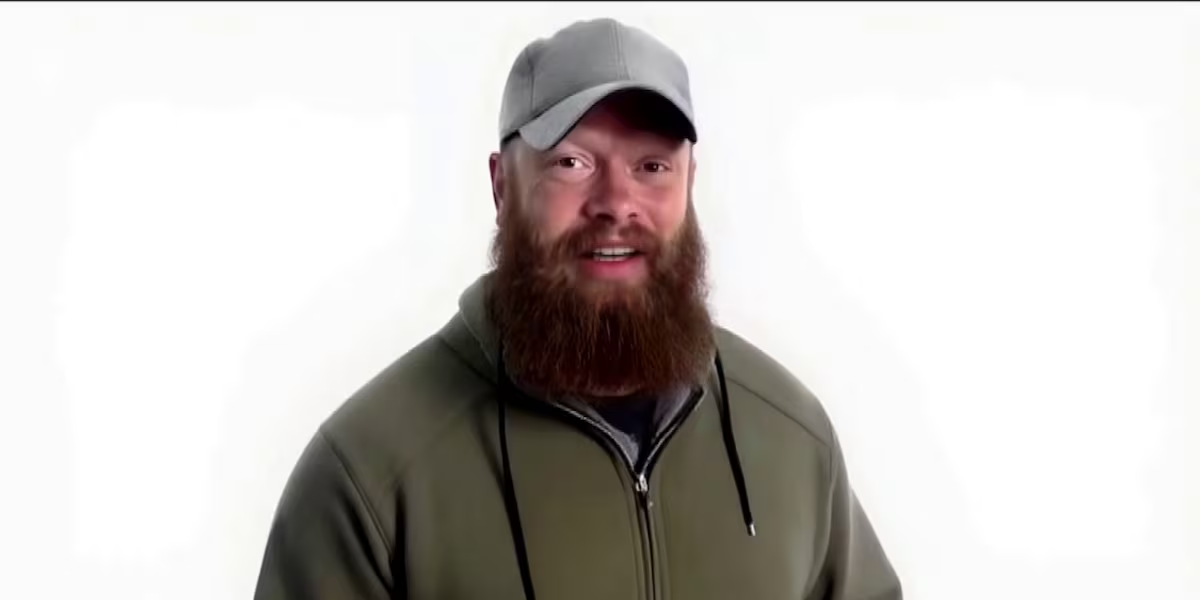
PHOENIX (AZFamily) — An Arizona appeals court ruling over an AI-generated video of a shooting victim could become an influential early guide for courts across the country as judges grapple with how artificial intelligence should be used in legal proceedings.
Read more Cold case veteran reacts as DNA may identify Arizona teen
The Arizona Court of Appeals ruled Sept. 30 that an AI recreation of Chandler shooting victim Chris Pelkey should not have been considered in sentencing the man who killed him.
On the latest episode of Generation AI, criminal defense attorney Josh Kolsrud said the significance reaches beyond that case.
“It’s a huge precedent because all Superior Court judges, all trial court judges, have to follow the laws and the precedent of appellate courts,” said Kolsrud, who was not involved in the case.
The appeals court called the issue novel, finding no previous Arizona case had addressed an AI-generated depiction of a victim presented as victim-impact evidence.
Where the court drew the line
The ruling did not ban artificial intelligence from Arizona courtrooms. Instead, the judges separated AI used to present authentic material from AI used to create thoughts and statements a person never expressed.
Pelkey’s sister, Stacey Wales, wrote a script and used her brother’s photos and voice to create an AI version of him. At the sentencing hearing, the avatar appeared to speak directly to Gabriel Horcasitas, who shot Pelkey during a 2021 road rage confrontation.
“I believe in forgiveness and in God who forgives,” the AI recreation said.
The appeals court found that the video presented the family’s imagined version of Pelkey’s thoughts as though they came directly from him. It wrote that the video “erases the interpretive distance” between what his family believed he would have said and his own voice and opinions. Even though the video opened by explaining it was made with AI, the court said that wasn’t enough.
“No disclaimer could cure that error,” the court wrote.
The judges said the video clearly affected Maricopa County Superior Court Judge Todd Lang. Lang said he “loved” it, called it “genuine” and imposed 10.5 years, more than prosecutors requested.
The appeals court upheld Horcasitas’ manslaughter conviction but vacated the sentence, finding the video made the hearing fundamentally unfair. The court said real footage of Pelkey embedded in the presentation, including a clip of him fishing, was acceptable.
AI could still have a role in court
Kolsrud said the opinion leaves the door open for other uses of artificial intelligence.
For example, he said a victim who could no longer physically speak might use AI to recreate their voice while personally controlling the words it says. An AI recreation might also be able to read an actual journal entry or other statement written by a victim before death.
“Where it drew a line in the sand was creating memories or statements that the victim never had,” Kolsrud said.
Read more Tucson teen still missing 25 years later
He said allowing invented AI statements could create difficult scenarios. A defendant could theoretically generate a version of a dead victim asking for the minimum sentence, while relatives could create competing versions asking for something harsher.
“Which AI ghost does the judge rely on?” Kolsrud said.
In a statement to Arizona’s Family, Wales pushed back on the appeals court decision, saying nobody tried to deceive the judge into believing Pelkey had actually recorded the video.
She called it “an artistic compilation expressing our family’s genuine understanding of Chris’s spirit” and argued courts already allow families to use slideshows, collages, poetry and hypothetical conversations to convey grief.
“I can envision the same reaction in the courts when photographs were first administered in courts,” Wales wrote. “In fact, it took 15 years of landmark cases around the 1860’s before photography was widely accepted in courts. We are seeing the same thing.”
Could other states follow Arizona?
The Arizona ruling is not binding on courts in other states. But Kolsrud said it could still be persuasive when courts elsewhere face similar cases without their own precedent.
“Not a lot of states have actually dealt with this issue,” he said. “When you haven’t dealt with an issue in a state, you always look to other states to see how they dealt with the issue.”
Those courts do not have to follow Arizona’s approach, Kolsrud said, but the decision can provide guidance as similar disputes emerge.
The Arizona Supreme Court could also eventually weigh in if the case is appealed further.
In the meantime, Kolsrud said the case is expected to return to Judge Lang for resentencing. Lang could impose the same sentence but would need to show it was not based on the AI video.
Because prosecutors did not prove aggravating factors, the sentence cannot exceed 10.5 years.
See a spelling or grammatical error in our story? Please click here to report it.
Do you have a photo or video of a breaking news story? Send it to us here with a brief description.
Read more Court records detail disturbing allegations against Phoenix elementary teacher