 By admin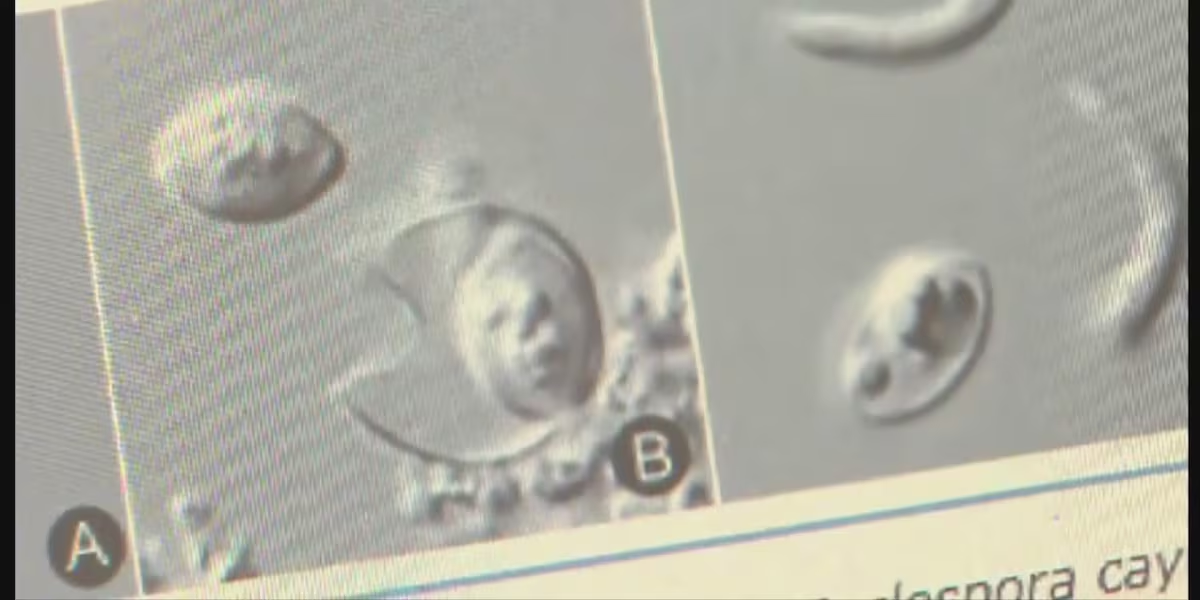
TUCSON, Ariz. (13 News) – Pima County has confirmed one case of cyclosporiasis as a nationwide parasite outbreak reaches Arizona, and health officials are expecting more cases.
Read more US military will be out of Iraq by end of September, Iraqi prime minister and Pentagon say
The illness is typically linked to contaminated fresh produce. Experts said that where food comes from typically matters less than how it is handled at home.
Dr. Jerry Lopez, an associate professor of food safety and environmental microbiology at the University of Arizona School of Animal and Comparative Biomedical Sciences, has studied cyclospora for more than a decade.
MORE COVERAGE
- ‘Explosive diarrhea’ sickness linked to pools, splash pads spreading in Arizona
- Taco Bell issues statement as ‘explosive diarrhea’ cyclospora illnesses continue to grow in US
“We really don’t know how our fresh produce is getting contaminated with this parasite,” Lopez said.
The Community Food Bank of Southern Arizona distributes 15 million pounds of fruits and vegetables a year – sourced from local farms, grocery stores, and suppliers across the country.
Chief Development Officer Sio Castillo said the food bank is prepared in the event of an outbreak.
“They have SKU numbers, they have other numbers, so if anything ever goes on a recall list, we’re ready to pull it,” Castillo said.
Castillo said produce-handling guidance remains the same regardless of an active outbreak.
“We remind people to wash their fruits and vegetables before eating them,” Castillo said. “We have signs throughout the warehouse that also say that. That’s just a good common practice that we use, so are we doing anything different than that? No. It’s something that we should be doing all the time anyway.”
Lopez said some cleaning habits could make contamination worse. He described one example of improper technique.
Read more Monsoon rains could trigger dangerous flooding in Arizona wildfire burn areas
“Someone was washing their leafy greens, but as they were washing it was falling right into their basket,” Lopez said.
Experts recommend washing produce thoroughly, getting into folds where the parasite can hide, then separating it from unwashed items. Fruit with a skin that is not eaten presents a lower risk.
Washing alone, however, does not eliminate the parasite. Lopez said heat is the only method that kills Cyclospora.
“Cooking some of our vegetables, sautéeing them – a temperature over 150 degrees will definitely end up killing it,” Lopez said.
Lopez also said damaged produce should be discarded.
“If you see a piece that is damaged or doesn’t look good – don’t try to save that part,” Lopez said.
Lopez recommends saving grocery receipts and taking photos of food at restaurants to track what has been eaten in the event of illness.
Are you streaming 13 News?
Watch a free live stream of Tucson Now and 13 News at TucsonNow.Live.
Be sure to download the free Tucson Now app, which you can find on Apple and Google.
If you are using a desktop computer, you can use your mobile device to scan the QR code below.
Read more Murder trial begins for man accused of killing good Samaritan in Pima County
You can submit your breaking news or weather images here.