 By admin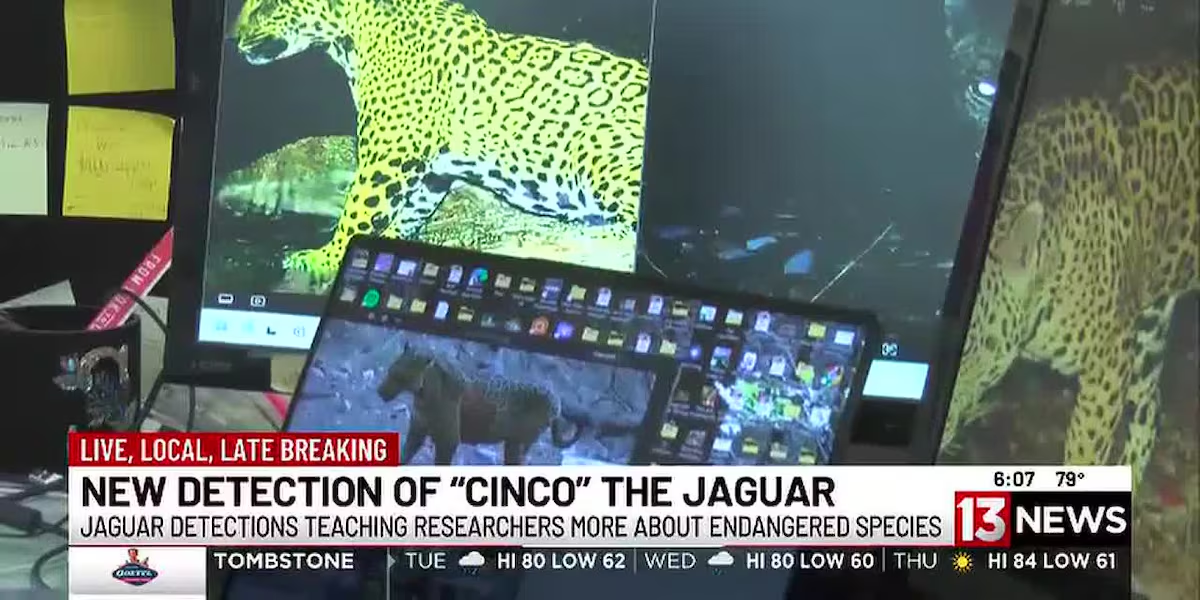
TUCSON, Ariz. (13 News) – Researchers at the University of Arizona’s Wild Cat Research and Conservation Center have recorded two new sightings of a jaguar known as “Cinco.” It’s the latest sign, they say, that the endangered species may be finding a foothold in southeastern Arizona.
Read more 5 major news networks, including Fox, agree to suspend pooled coverage of Trump after he banned CNN
Cinco was detected on Aug. 18 and Aug. 20, caught on camera in the Sky Islands region, according to Wild Cat Research and Conservation Center Director Susan Malusa.
“Just since this jaguar has been detected on the landscape, less than a year, we have over 20 different detections in a lot of different locations so that’s exciting to us,” Malusa said.
Cinco is the fifth jaguar detected in Arizona since the center launched its monitoring project in 2011. Researchers first spotted him in November 2025, and quickly noticed he looked different from the four jaguars they’d previously tracked, with a distinctive marking researchers say resembles Groucho Marx’s mustache.
Since 2011, the center has logged more than 200 total jaguar detections across all five cats combined.
The center operates about 120 trail cameras spread across 17 mountain ranges in the Sky Islands and surrounding areas. The cameras, along with other detection strategies, help researchers decide where additional cameras are needed most.
In addition to cameras, the team uses non-invasive methods to collect DNA from soil, water sources and animal scat. Malusa says that material offers a wealth of information, including a jaguar’s health, diet and relationships with other animals.
The project relies on about 50 highly trained citizen science volunteers to help keep cameras running and data flowing.
Read more Pima County man facing sexual assault, kidnapping charges from multiple incidents
Jaguars have been listed as endangered for decades. Malusa says the center’s goal is to map out how far jaguars like Cinco roam, where they stay, and how they survive – data researchers hope will eventually show whether jaguars can sustain a permanent population in Arizona.
That data is also meant to guide land managers so they can make science-based decisions including, Malusa hopes, preserving open corridors for wildlife movement.
Conservationists say that progress could be complicated by a border wall currently under construction in the San Rafael Valley.
“The border barrier significantly impacts large mammals, beyond a doubt, because they cannot pass through it,” Malusa said. “Jaguars need connectivity. That connectivity to the population that lives in Mexico is critical.”
Malusa says the wall raises broader connectivity concerns for large mammals across the region which could directly affect Cinco’s movement between jaguar populations in Arizona and Mexico.
The center hopes to add more cameras and continue collecting DNA data, with the goal of giving land managers, scientists and the public reliable, science-based information about jaguars in Arizona.
Those interested in learning more or volunteering with the project can visit https://www.wildcatresearch.arizona.edu/contact-us/7.