 By admin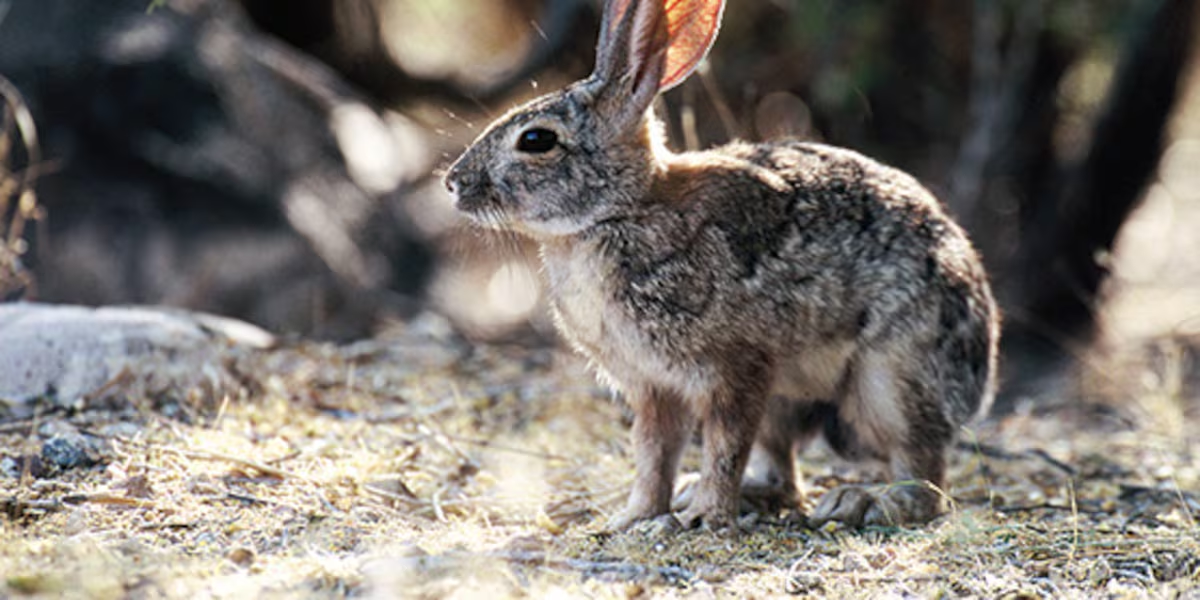
PHOENIX (AZFamily) — Wildlife officials in Arizona are advising small game hunters to take action and clear their carcasses to slow the spread of an emerging virus.
Read more Federal immigration agent fatally shoots man in Houston during enforcement operation
The Arizona Game and Fish Department (AZGFD) said the Rabbit Hemorrhagic Disease Virus Type 2 (RHDV-2) is now being detected widespread in the state’s wild rabbits after it was first observed in spring 2020.
Meat from an exposed animal is safe for human consumption, officials said, but hunters are advised to remove carcasses from fields for proper disposal to slow the spread of RHDV-2.
Officials say Arizona’s native lagomorphs, which include cottontails and black-tailed and antelope jackrabbits, experienced large population declines after exposure to the virus in 2020 and 2021.
AZGFD said the cottontail population has increased since the 2020 outbreak, but jackrabbit numbers remain under the pre-virus levels.
RHDV-2 is highly contagious among these small game animals. It’s spread through physical contact with bodily fluids, fecal matter or remains, AZGFD said.
Read more Arizona Supreme Court sides with Maricopa County Recorder in election dispute
The virus is not known to affect other animals, but it can be spread by predators or scavengers that eat infected carcasses, AZGFD officials said.
Hunters in Arizona are allowed to hunt cottontails and jackrabbits all year long, while following daily limits and restrictions.
Unusual wildlife deaths can be reported to AZGFD’s Wildlife Health Program at [email protected] and Radio Room at 623-236-7201.
See a spelling or grammatical error in our story? Please click here to report it.
Do you have a photo or video of a breaking news story? Send it to us here with a brief description.
Read more Lawsuit challenging Arizona transgender student-athlete ban dropped