 By admin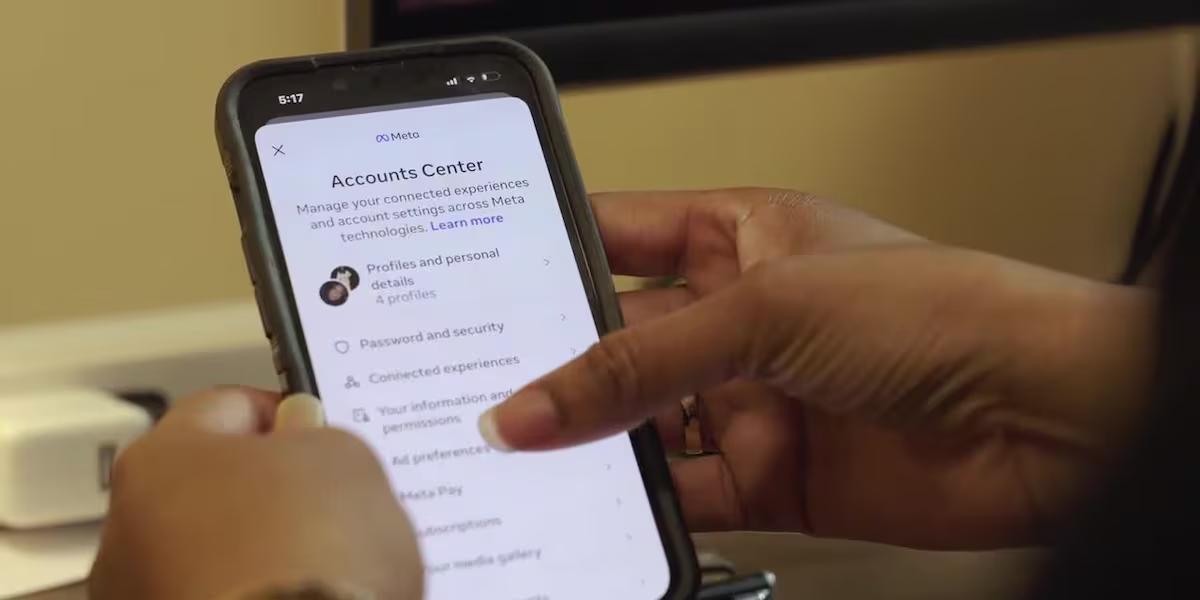
(InvestigateTV) — Identity theft remains one of the most common fraud concerns facing Americans, and the AARP says protection can start with something as simple as checking what is in your wallet.
Read more William Shatner and his daughter reveal they beat stage 4 cancer together
Amy Nofziger, senior director of fraud victim support at the AARP Fraud Watch Network, said the issue is not going away.
“Identity theft complaints on the Fraud Watch Network helpline have stayed in the top five in the last few years,” Nofziger said. “So again, it’s just really critical for everyone to think about how to safeguard your identity.”
A practical first step, according to Nofziger, is emptying your wallet or purse, laying everything on a counter and only returning what is truly necessary.
“You’re going to want your driver’s license in there,” Nofziger said. “You’re going to want maybe one or two credit cards, maybe your debit card. Certainly, do not have your social security card in your wallet. That is exactly what the criminals are looking for.”
Protecting personal information goes beyond what is carried in a wallet. Nofziger encourages people to conduct what she calls a “social media audit” — reviewing privacy settings across all accounts.
Read more Extreme Heat Warning in effect through the weekend
“Go into your social media accounts, and a lot of them actually have step-by-step guides on how to protect your account,” Nofziger said. “Make it so nobody can see your social media account unless you’ve allowed them to do that. Keep it private. Don’t have it open, because again, that’s a place that criminals are going to be going to look for information for you and about you.”
Reviewing bank and credit card accounts about once a week can help catch unauthorized activity quickly, Nofziger said.
“That includes your bank accounts, your credit cards, to make sure that no one has access to them or you haven’t been charged for anything that you didn’t purchase,” Nofziger said. “So then you can report it right away.”
AARP also recommends using complex, unique passwords for each account — particularly financial accounts. Using different passwords means a single compromised credential does not put every account at risk.
Read more FBI: Scammers ‘double dip’ to revictimize scam victims